In July 2026, the scientific world turned its attention to the depths of the Ecuadorian Amazon. Along the banks of the majestic Napo River, a multidisciplinary team of researchers confirmed the discovery of fossilized remains belonging to the Wakrayampi, the first dinosaur found in the Ecuadorian Amazon. This milestone not only rewrites the history of paleontology in South America but also reveals a fascinating chapter of the Amazon basin: a prehistoric ecosystem thriving long before it became the lush rainforest we know today.
For travelers, science enthusiasts, and nature lovers, this discovery adds an extra layer of wonder to the rainforest. The very same Napo River basin that today shelters iconic wildlife like macaws, jaguars, and caimans was, millions of years ago, home to prehistoric giants whose footprints are finally coming to light.
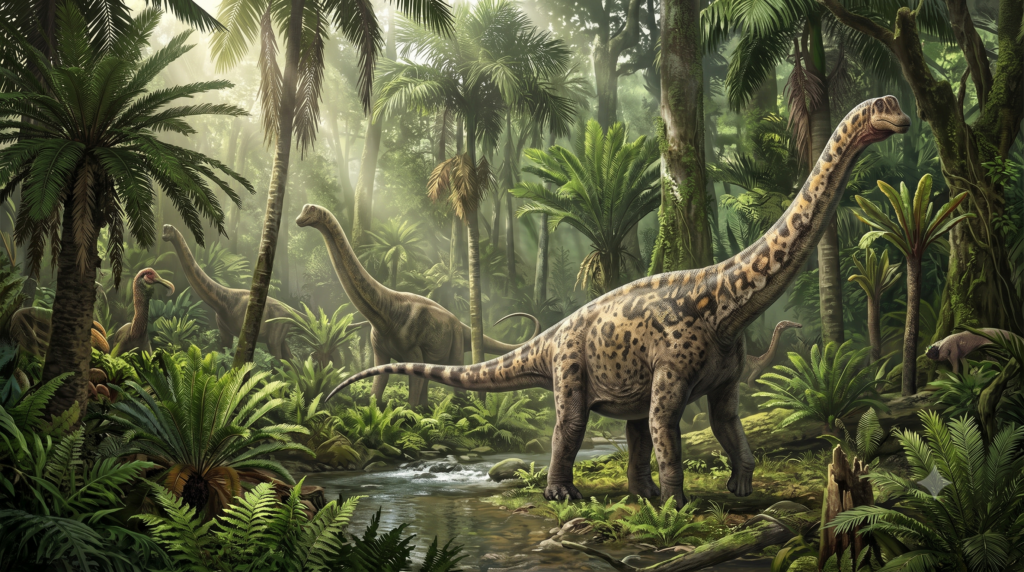
What Is the Wakrayampi and How Was It Discovered?
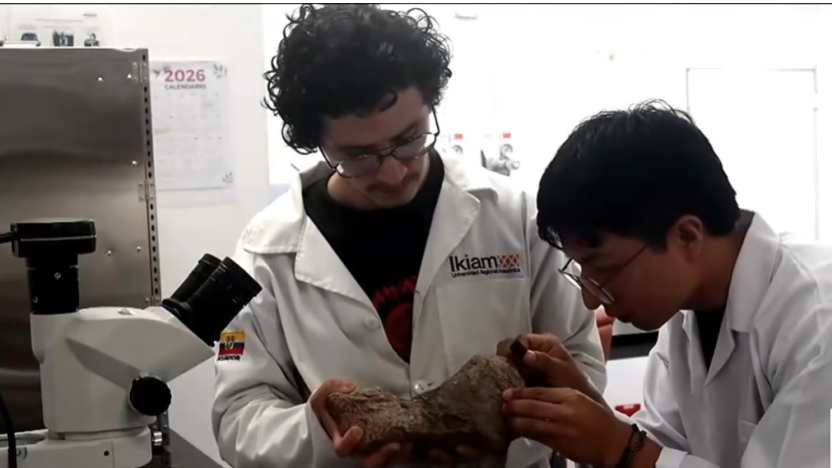
The discovery occurred during geological surveys along the shores of the Napo River, a vital tributary flowing through the Amazonian rainforest of Ecuador. Researchers reported continental fossil bones belonging to a Cretaceous vertebrate, offering definitive proof that dinosaurs inhabited this region.
The name Wakrayampi stems from native languages, honoring the ancestral roots and territorial identity of the Amazon. Unlike fossil discoveries made in the arid coastal or Andean regions of South America, finding preserved bone tissue in a tropical rainforest is extraordinarily rare due to soil acidity, high humidity, and rapid erosion—making this fossil scientifically invaluable.
Key Details of the Wakrayampi Discovery
| Feature | Discovery Details (July 2026) |
| Identified Species | Wakrayampi (Dinosaur fossil) |
| Geographic Location | Napo Riverbanks, Ecuadorian Amazon |
| Geological Period | Late Cretaceous (approx. 70–80 million years ago) |
| Historic Significance | First verified dinosaur record in the Ecuadorian Amazon basin |
| Travel Relevance | Boosts nature tourism, scientific outreach, and eco-conscious travel |
The Paleontological Importance of the Napo River and the Amazon Basin
During the Cretaceous Period, the Amazon did not feature the dense, closed canopy forest seen today. Instead, the landscape was dominated by floodplain systems, freshwater basins, and a warm climate that supported a wide variety of prehistoric life.
The discovery of Wakrayampi: dinosaur in the Ecuadorian Amazon proves that the Napo River has been a lifeline for tens of millions of years. Sediments carried down the river helped preserve these fossils under layers of sedimentary rock, which were only recently exposed by natural riverbank erosion and expert field investigation.
This historic event provides vital insight into:
- Geographic distribution of prehistoric reptiles: It confirms that northern South America supported stable dinosaur populations.
- Geological evolution of the Napo Basin: It sheds light on ancient river paths and landscapes before the final uplift of the Andes Mountains.
- The importance of rainforest conservation: Sheltered beneath the jungle, the Amazon still guards undiscovered ancient secrets.
From Prehistory to the Present: Biodiversity Along the Napo River
Traveling down the Napo River today feels like stepping through time. The prehistoric creatures that once dominated the land paved the way for one of the most biodiverse ecosystems on Earth.
Discovering the Wakrayampi gives visitors a much deeper appreciation for the land. As you navigate the winding waterways of the Napo River or trek along terra firme trails, you aren’t just spotting toucans, squirrel monkeys, or giant otters—you are walking the very same ground that ancient species called home millions of years ago.
Frequently Asked Questions About Wakrayampi
Where were the Wakrayampi fossil remains found?
The fossilized remains were discovered along the rocky riverbanks and sediment layers of the Napo River in eastern Ecuador.
Why is it so rare to find dinosaur fossils in the Amazon rainforest?
The tropical climate, high rainfall, acidic soil, and dense root systems accelerate erosion and organic breakdown. Finding preserved fossils under these conditions makes the Wakrayampi discovery a historic milestone.
Can travelers visit the areas near the discovery site?
Yes. The Napo River is the primary travel corridor leading into Ecuador’s top ecological reserves, including Yasuní National Park and neighboring private reserves. Travelers can explore this region via guided lodge expeditions.
How does the Napo River support today’s rainforest wildlife?
The Napo River transports essential nutrient-rich sediments that feed oxbow lakes, flooded forests, and the vast wildlife populations thriving throughout the Ecuadorian Amazon.
Experience the Magic of the Rainforest at La Selva Eco-Lodge
The historic discovery of Wakrayampi: dinosaur in the Ecuadorian Amazon reminds us how vibrant, mysterious, and timeless the rainforest truly is. Exploring the Napo River and walking the trails where Earth’s history was written is a transformative experience for any traveler.
Located on the shores of the secluded Garzacocha Lagoon just minutes from the Napo River, La Selva Eco-Lodge & Retreat offers you the chance to immerse yourself in the heart of the Amazon with luxury, sustainability, and expert guidance. Led by native Kichwa guides and experienced naturalists, you will navigate flooded forests, spot hundreds of bird species, and uncover the secrets of an ancient wilderness.
Ready to explore the home of the Wakrayampi and connect with untouched nature?
Book your rainforest expedition at La Selva Eco-Lodge today and embark on the ultimate Ecuadorian Amazon adventure!