The Amazon River is one of the most diverse and exciting freshwater ecosystems in the world. Flowing through the vast Amazon Rainforest, it is home to thousands of fish species, many of which cannot be found anywhere else on Earth. From tiny, brightly colored fish to massive river giants, the Amazon offers an incredible variety of life beneath its waters.
What makes Amazon fish so fascinating is not just their number, but how different they are from each other. Some fish are peaceful and live in groups, while others are powerful hunters. Some feed on plants and fruits, while others rely on speed and sharp teeth to survive. There are fish that can produce electricity, fish that can breathe air, and even fish that change their behavior with the seasons.
In this guide, you will explore the different types of fish found in the Amazon in a simple and easy way. Whether you are curious about small fish, large fish, or unusual species, this guide will help you understand how they live and why they are so important to the ecosystem.
Why the Amazon Has So Many Fish
The Amazon River stretches across several countries in South America and is part of the Amazon Rainforest. It has warm water, plenty of food, and many different habitats like rivers, streams, flooded forests, and lakes.
Because of this, fish have adapted in many ways. Some live near the surface, some hide in muddy water, and others swim in deep channels. Seasonal flooding also allows fish to move into forests, creating even more space for them to live and grow.
Small Fish of the Amazon
Small fish are some of the most common and colorful creatures in the Amazon. Many of them are popular in home aquariums.
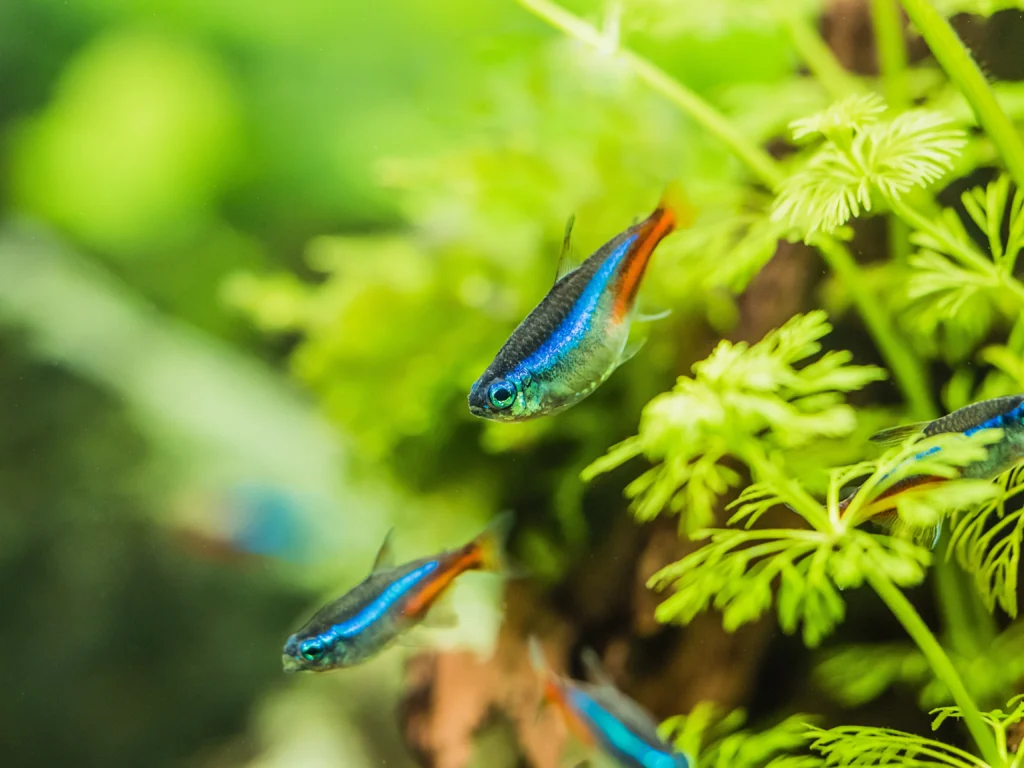
1. Neon Tetra
This tiny fish is known for its bright blue and red stripes. It swims in groups and is very peaceful.
2. Guppy
Guppies are small, colorful, and easy to care for. They are often found in slow moving water.
3. Pencil Fish
These fish are thin and long, often staying near the surface of the water.
4. Hatchetfish
Hatchetfish have a unique body shape and can even jump out of the water to escape predators.
Small fish play an important role in the ecosystem. They are food for larger fish and help maintain balance in the water.
Medium Sized Fish of the Amazon
Medium sized fish are more noticeable and often more active. Many of them are known for their behavior and intelligence.
1. Angelfish
Angelfish are graceful and have long fins. They are popular in aquariums around the world.
2. Discus Fish
Discus fish are round and colorful. They are sometimes called the “king of aquarium fish.”
3. Oscar Fish
Oscars are smart and can recognize their owners. They are also slightly aggressive.
4. Silver Dollar Fish
These fish have a round, flat body and usually swim in schools.
Medium fish often eat plants, insects, or smaller fish depending on the species.
Large Fish of the Amazon
Large fish are powerful and important to both the ecosystem and local communities.
1. Arapaima
The arapaima is one of the largest freshwater fish in the world. It can grow over 10 feet long and needs to come to the surface to breathe air.
2. Peacock Bass
This fish is a strong predator and a favorite among fishing enthusiasts.
3. Redtail Catfish
This fish is large, with a long body and a bright red tail. It is a bottom dweller.
Large fish often act as top predators or play key roles in the food chain.
Giant Fish of the Amazon
Some Amazon fish are truly massive and can be surprising to learn about.
1. Giant River Stingray
This fish has a flat body and a long tail with a sharp barb. It lives at the bottom of rivers.
2. Electric Eel
This fish can produce electric shocks to defend itself or catch prey.
3. Piraiba Catfish
Also known as the giant catfish, it can grow very large and is a powerful swimmer.
These giant fish show just how unique the Amazon ecosystem is.
Carnivore Fish of the Amazon
Carnivore fish eat other animals like fish, insects, or even small mammals.
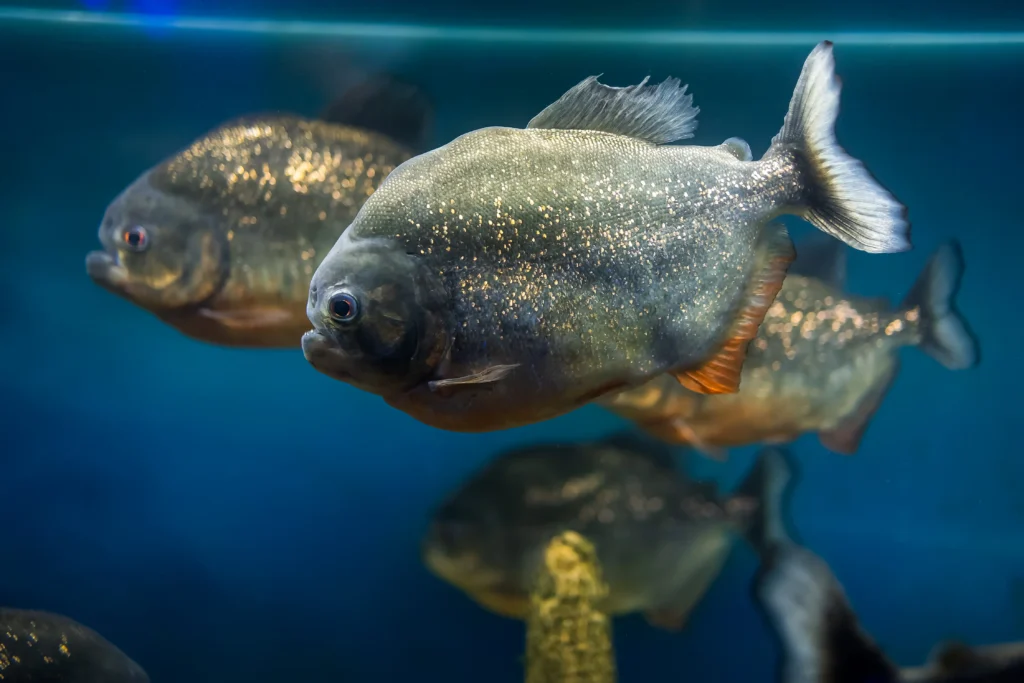
1. Piranha
Piranhas are famous for their sharp teeth. While they can be aggressive, they do not attack humans as often as movies suggest.
2. Payara
Also called the “vampire fish,” it has long, sharp teeth.
3. Wolf Fish
This fish is strong and has powerful jaws.
Carnivore fish help control the population of other fish and keep the ecosystem balanced.
Herbivore Fish of the Amazon
Not all fish are predators. Some eat plants, fruits, and seeds.
1. Pacu
Pacu fish have strong teeth that look similar to human teeth. They eat fruits and nuts.
2. Tambaqui
This fish feeds on fruits that fall into the water during floods.
Herbivore fish help spread seeds and support plant life in the forest.
Bottom Dwelling Fish
These fish live near the riverbed and often feed on leftovers or small organisms.
1. Corydoras Catfish
Small and peaceful, these fish help clean the bottom of the river.
2. Plecostomus
Also known as plecos, they eat algae and help keep surfaces clean.
Bottom dwellers play a key role in keeping the ecosystem healthy.
Unique and Strange Fish
Some Amazon fish have unusual features that make them stand out.
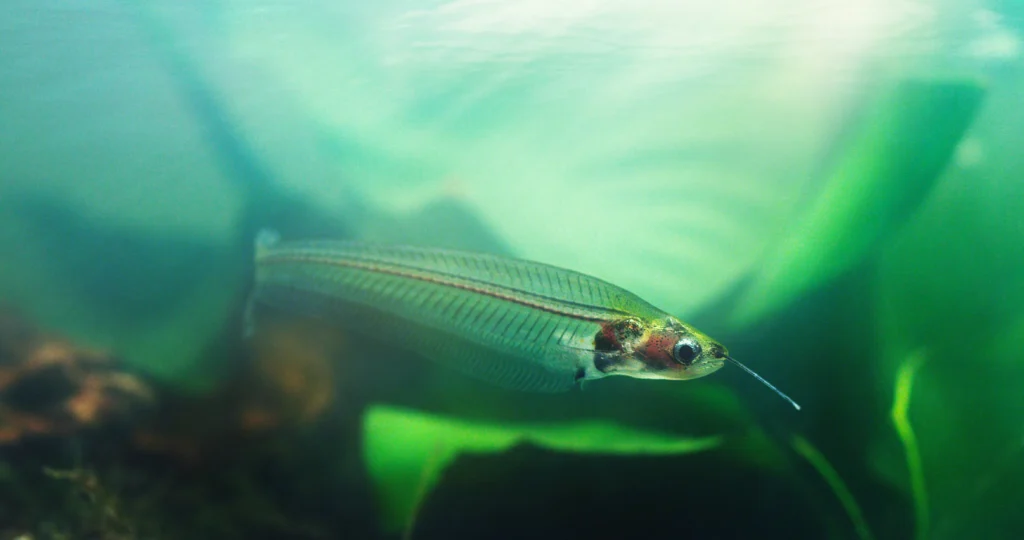
1. Glass Catfish
This fish is almost transparent, allowing you to see inside its body.
2. Leaf Fish
It looks like a dead leaf and uses this to hide from predators.
3. Knife Fish
This fish uses electric signals to navigate in dark water.
Fish You Might See on a Tour
If you visit the Amazon, you may see:
- Piranhas
- Angelfish
- Catfish
- Peacock bass
Many tours allow visitors to fish or observe wildlife in natural habitats.
How Fish Survive in the Amazon
Amazon fish have special adaptations:
- Some can breathe air
- Some use electricity
- Some change color to hide
- Some travel long distances during floods
These adaptations help them survive in a changing environment.
Threats to Amazon Fish
Despite their diversity, Amazon fish face challenges:
- Deforestation
- Pollution
- Overfishing
- Climate change
Protecting the Amazon is important for keeping these species alive.
Why Amazon Fish Matter
Fish are important for:
- The food chain
- Local communities
- Biodiversity
- Scientific research
They help keep the ecosystem balanced and support life in the region.
FAQs About Fish of the Amazon
How many fish species live in the Amazon River?
Scientists estimate that there are over 3,000 fish species in the Amazon, and new species are still being discovered.
Are Amazon fish safe to eat?
Yes, many Amazon fish are eaten by local communities, but some species should be avoided due to toxins or environmental contamination.
Do Amazon fish migrate during the year?
Yes, many fish move during the rainy season when forests flood, allowing them to find food and breeding areas.
Can Amazon fish survive in home aquariums?
Some smaller species can live in aquariums, but many Amazon fish need specific conditions that are hard to recreate at home.
Why are some Amazon fish so colorful?
Bright colors help fish attract mates, blend into their environment, or warn predators.
Do Amazon fish interact with other animals?
Yes, some fish eat fruits dropped by trees, while others are prey for birds, reptiles, and mammals.
Are there any fish in the Amazon that can walk on land?
Some fish can move short distances on land or survive out of water for a while, especially in wet conditions.
How deep is the Amazon River where fish live?
The depth varies, but some areas are over 100 feet deep, providing space for many different species.
Do Amazon fish make sounds?
Yes, some fish create sounds to communicate, attract mates, or warn others.
Are Amazon fish affected by seasonal changes?
Yes, water levels rise and fall throughout the year, which changes where fish live, feed, and reproduce.
Conclusion
The fish of the Amazon are a perfect example of how rich and complex nature can be. From the smallest schooling fish to the largest river giants, each species plays an important role in keeping the ecosystem balanced. Some help control insect populations, others spread seeds, and many serve as food for other animals and local communities.
What truly makes the Amazon special is the variety of life it supports. You can find peaceful plant-eaters, powerful predators, and unique species with abilities that seem almost unbelievable. This diversity is what makes the Amazon River one of the most important natural habitats on the planet.
However, this incredible ecosystem also faces growing threats from human activity and environmental changes. Protecting the Amazon means protecting its fish, its wildlife, and the millions of people who depend on it.
By learning more about Amazon fish, you gain a deeper appreciation for the natural world and the need to preserve it. Whether you are a nature enthusiast, a traveler, or simply curious, the fish of the Amazon offer a fascinating glimpse into one of Earth’s most remarkable environments.