Deep within the Amazon rainforest, where dense canopies filter sunlight and the air is thick with humidity, frogs of the Amazon thrive in astonishing diversity. From tiny, brightly colored species no larger than a coin to elusive, camouflaged frogs hidden among leaves and bark, the Ecuadorian Amazon is home to some of the most unique amphibians on Earth.
The frogs of the Amazon are more than just fascinating creatures; they play a critical role in maintaining the balance of the rainforest ecosystem. Their presence signals a healthy environment, while their decline can warn of deeper ecological problems. Whether it is the vibrant poison frogs of the forest floor or the nearly invisible glass frogs perched above streams, each species has adapted in remarkable ways to survive in this complex habitat.
In this guide, you will explore the different types of Amazon frogs, their behaviors, adaptations, and the challenges they face in a rapidly changing world.
Why the Amazon Has So Many Unique Frogs
The Amazon Basin creates the perfect environment for frogs. Warm temperatures, constant humidity, and endless water sources allow amphibians to thrive year-round.
What makes the Amazon especially unique is its layered habitat. Frogs live on the forest floor, in trees, near rivers, and even high in the canopy. This allows hundreds of species to exist side by side, each adapted to a slightly different niche.
The abundance of insects also provides a constant food supply, helping frog populations remain stable in many areas.
Amazon Frogs Overview Table
| Frog / Group | Family | Poisonous | Diet | Main Habitat in Amazon |
| Poison Dart Frogs (e.g., Golden, Blue) | Dendrobatidae | Yes | Ants, termites, small insects | Forest floor, leaf litter |
| Tree Frogs (e.g., Red-Eyed, Milk Frog) | Hylidae | No | Insects, spiders | Trees, canopy, near water |
| Glass Frogs | Centrolenidae | No | Small insects | Leaves above streams and rivers |
| Horned Frogs (Pacman Frogs) | Ceratophryidae | No | Insects, small frogs, rodents | Forest floor, hidden in soil |
| Narrow-Mouthed Frogs | Microhylidae | No | Ants, termites | Leaf litter, underground |
| Leptodactylid Frogs (Jungle Frogs) | Leptodactylidae | No | Insects, small animals | Forest floor, near water bodies |
| Cane Toad | Bufonidae | Mildly toxic | Insects, small animals | Forest edges, wetlands |
| Rain Frogs | Strabomantidae | No | Small insects | Leaf litter, moist forest floor |
| Monkey Tree Frogs | Phyllomedusidae | Mildly toxic | Insects | Trees, especially near water |
| Harlequin Frogs | Bufonidae (Atelopus) | Yes (toxic skin) | Small insects | Streams, high humidity zones |
Key Insights
- Highly poisonous frogs are mainly from the Dendrobatidae family
- Most other Amazon frogs are non-poisonous but may secrete mild toxins
- Diet is largely insect-based, helping control pest populations
- Habitats range from the forest floor to the high canopy, showing incredible diversity
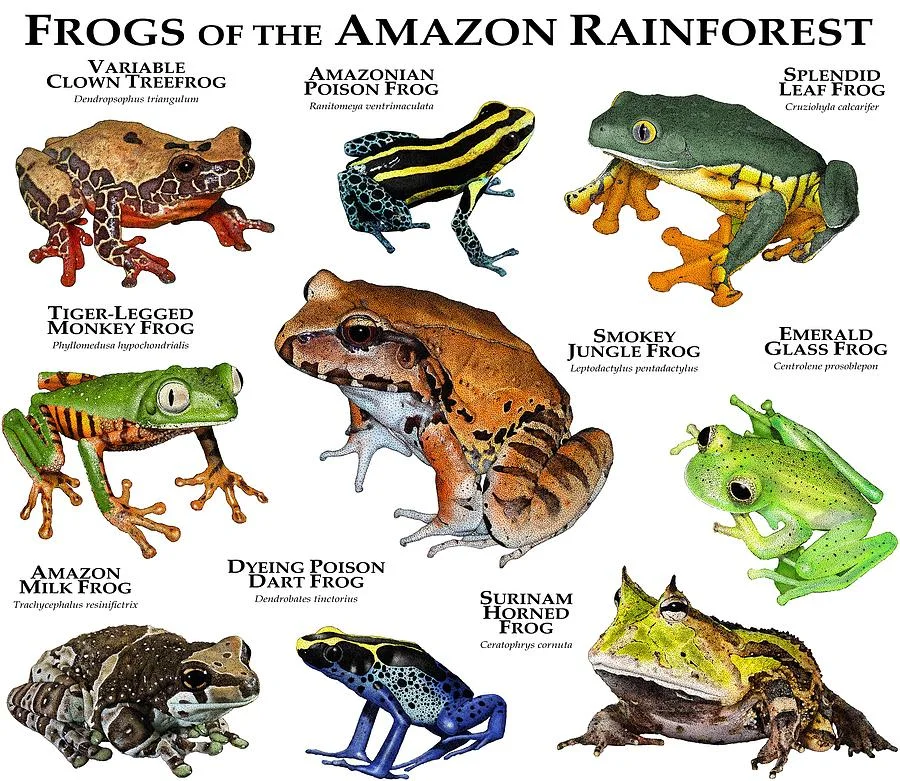
Poisonous Frogs of the Amazon
Some of the most famous frogs in the Amazon are also the most dangerous. These are commonly known as poison frogs.
Poison Dart Frogs
Poison dart frogs are small, brightly colored frogs that use their vivid patterns as a warning. Their colors signal danger to predators.
These frogs produce toxins through their skin. In some species, the toxin is strong enough to affect the nervous system of predators. Indigenous communities have historically used these toxins to coat hunting darts, which is how the frogs got their name.
Interestingly, these frogs are not born poisonous. Their toxicity comes from their diet, mainly ants and other small insects. In captivity, where their diet changes, they often lose their toxic properties.
Are They Dangerous to Humans
While poison dart frogs are toxic, they are not aggressive. Simply touching some species can cause irritation or numbness, but serious harm usually requires prolonged contact or ingestion.
Still, it is always best to observe these frogs without handling them.
Rare and Hard to Find Amazon Frogs
Not all Amazon frogs are brightly colored or easy to spot. Some are incredibly rare or simply very well hidden.
Glass Frogs
Glass frogs are among the most unusual amphibians in the world. Their skin is so transparent that you can see their internal organs.
They live near streams and are often difficult to find because they blend perfectly with leaves. Their rarity is partly due to their excellent camouflage and specific habitat needs.
Leaf-Mimicking Frogs
Some frogs have evolved to look exactly like dead leaves. Their bodies match the color, texture, and even the shape of leaves on the forest floor.
These frogs are rarely seen because they remain motionless and perfectly hidden unless disturbed.
Newly Discovered Species
Scientists are still discovering new frog species in the Amazon. Many live in remote areas that are difficult to access. Some species may exist in very small populations, making them rare and vulnerable.
Colorful Frogs That Stand Out
The Amazon is known for its vibrant wildlife, and frogs are no exception.
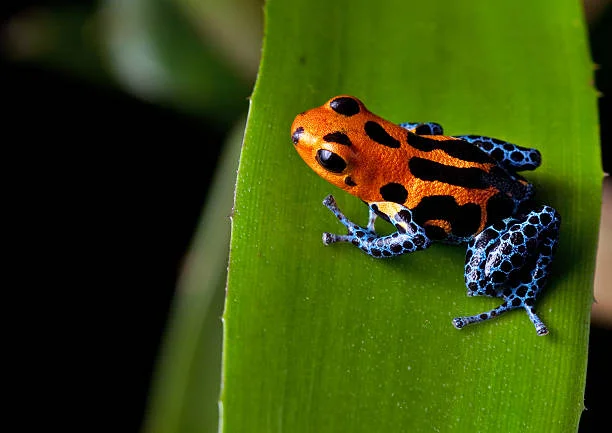
Brightly colored frogs often use their appearance as a warning. Reds, blues, yellows, and oranges signal that the frog may be toxic or unpleasant to eat.
Other frogs use color for camouflage, blending into green leaves or brown tree bark. This diversity of color is one of the most striking features of Amazon frogs.
How Amazon Frogs Survive
Living in the Amazon is not easy. Frogs face predators, competition, and changing environmental conditions. Over time, they have developed fascinating survival strategies.
Camouflage and Hiding
Many frogs rely on blending into their surroundings. Some look like leaves, while others match the color of tree bark.
Climbing and Gliding
Tree frogs use sticky toe pads to climb. Some species can even glide short distances by spreading their webbed feet.
Unique Breeding Habits
Some frogs lay eggs on leaves above water. When the eggs hatch, the tadpoles drop into the water below.
Others carry their eggs on their backs or transport tadpoles to small pools of water in plants. These strategies help protect their young from predators.
What Do Amazon Frogs Eat
Most Amazon frogs eat insects. Their diet includes ants, beetles, flies, and spiders.
Larger frogs may eat small animals like other frogs or lizards. Their long, sticky tongues allow them to catch prey quickly and efficiently.
By controlling insect populations, frogs play an important role in maintaining the balance of the ecosystem.
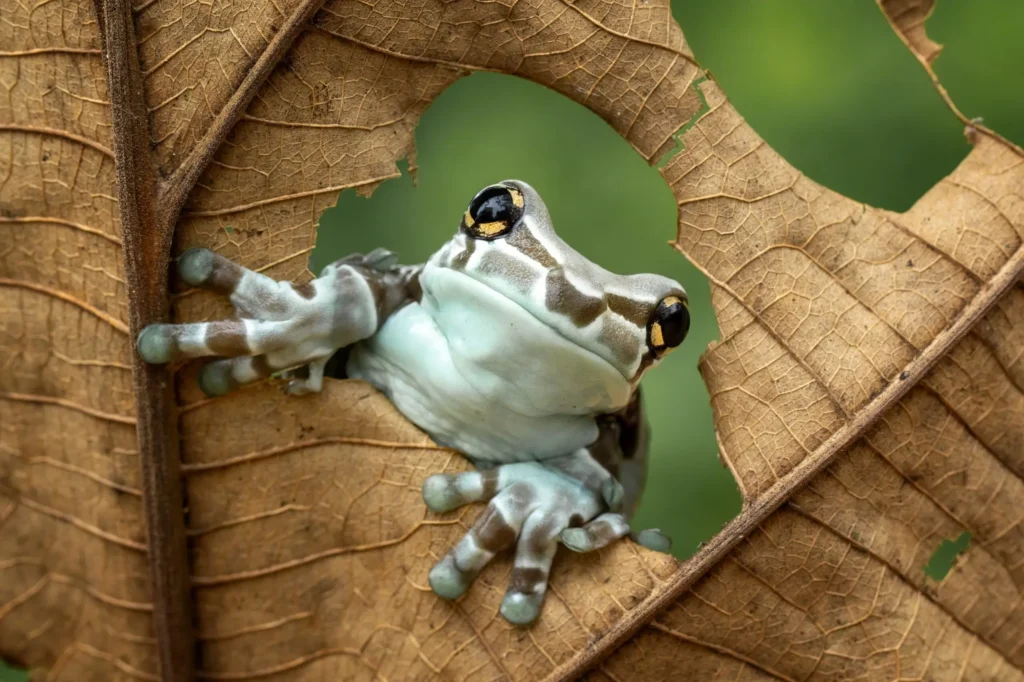
Why Frogs Matter in the Amazon
Frogs are more than just interesting animals. They are essential to the health of the rainforest.
They help control insect populations, serve as food for other animals, and act as indicators of environmental health. A decline in frog populations can signal problems such as pollution or habitat loss.
Threats Facing Amazon Frogs
Despite their adaptability, Amazon frogs face growing threats.
Habitat Loss
Deforestation is one of the biggest dangers. When forests are cleared, frogs lose their homes and breeding grounds.
Climate Change
Changes in rainfall and temperature can disrupt breeding cycles and reduce suitable habitats.
Pollution
Chemicals from agriculture and industry can contaminate water sources, affecting frog health.
Disease
Fungal diseases have caused declines in amphibian populations around the world.
Illegal Collection
Some rare and colorful frogs are captured for the pet trade, which can harm wild populations.
Conservation Efforts
Efforts are underway to protect Amazon frogs and their habitats.
Protected areas help preserve rainforest ecosystems. Scientists are studying frog populations to better understand their needs. Breeding programs and conservation initiatives aim to protect endangered species.
Public awareness is also important. The more people understand the value of frogs, the more likely they are to support conservation efforts.
Fascinating Facts About Amazon Frogs
- Some poison frogs carry toxins strong enough to deter large predators
- Glass frogs can appear almost invisible on leaves
- Certain species care for their young by carrying tadpoles on their backs
- Some frogs can change color depending on conditions
- New species are still being discovered in remote parts of the Amazon
Tips for Spotting Frogs in the Amazon
If you ever visit the Amazon, frog watching can be an unforgettable experience.
Go out at night when frogs are most active. Listen for their calls to locate them. Move quietly and use a flashlight to spot their reflective eyes.
Always respect wildlife and avoid touching frogs, especially those that may be toxic.
FAQs About Frogs of The Amazon
How many frog species live in the Amazon rainforest?
The Amazon is home to over 1,000 frog species, and scientists continue to discover new ones each year.
Are all brightly colored Amazon frogs poisonous?
No, not all colorful frogs are poisonous. However, bright colors often act as a warning signal that a frog may be toxic.
What is the most poisonous frog in the Amazon?
The golden poison frog is considered one of the most toxic animals in the world.
Can Amazon frogs change color?
Some species can slightly change color due to temperature, light, or stress, but they do not change color as dramatically as chameleons.
Do Amazon frogs make sounds?
Yes, many frogs produce calls, especially during mating season. Each species has a unique sound.
How do frogs survive heavy rainfall in the Amazon?
Frogs are well adapted to wet conditions. Many use elevated surfaces like leaves or trees to avoid flooding.
Are Amazon frogs active during the day or night?
Most are nocturnal, but some species, like poison dart frogs, are active during the day.
How long do Amazon frogs live?
Lifespan varies by species, but many live between 5 to 15 years in the wild.
Can Amazon frogs be kept as pets?
Some species are kept as pets, but many require special care, and collecting them from the wild can harm ecosystems.
Why are some Amazon frogs so small?
Small size helps frogs hide from predators, conserve energy, and adapt to specific microhabitats like leaf litter.
Conclusion
Frogs of the Amazon are among the most fascinating creatures in the natural world. From poisonous species with powerful defenses to rare frogs that remain hidden in plain sight, they showcase the incredible diversity of life in the rainforest.
Understanding these frogs helps us appreciate the complexity of the Amazon and the importance of protecting it. As threats to the rainforest continue, preserving these unique amphibians becomes more important than ever.
The next time you think of the Amazon, remember that some of its most remarkable inhabitants are small, colorful, and full of surprises.