The Amazon Rainforest is one of the most biodiverse ecosystems on Earth. Covering millions of square kilometers across South America, it is home to an incredible variety of wildlife, including mammals, birds, amphibians, insects, and reptiles. Among the most fascinating reptiles found in this vast rainforest are lizards.
Amazon rainforest lizards come in many shapes, sizes, and colors. Some are small enough to fit in the palm of your hand, while others can grow several feet long. These reptiles occupy a wide range of habitats, from the forest floor and riverbanks to tree canopies high above the ground.
Lizards play an important role in maintaining ecological balance within the rainforest. They help control insect populations, serve as prey for larger animals, and contribute to the overall biodiversity of the region.
This guide explores the world of Amazon rainforest lizards, including their habitats, behavior, diet, adaptations, and the most notable species found in this remarkable ecosystem.
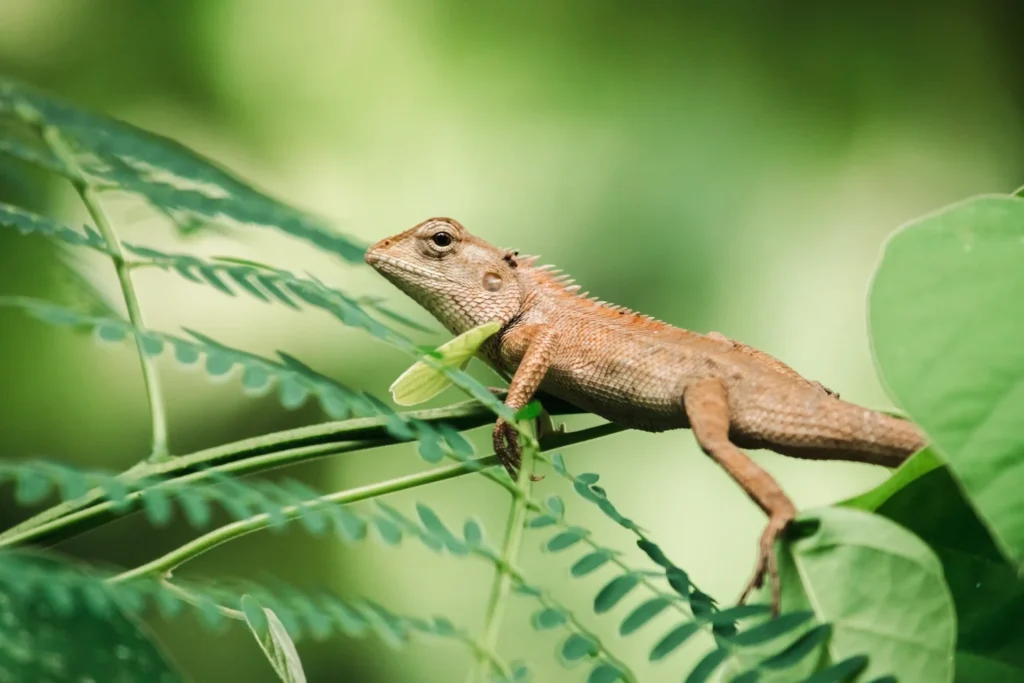
What Are Amazon Rainforest Lizards?
Amazon rainforest lizards are reptiles that live within the Amazon Basin and surrounding tropical forests.
They belong to various lizard families and have adapted to different environmental conditions across the rainforest.
These reptiles can be found:
- On the forest floor
- In trees
- Along rivers
- In wetlands
- Among rocks
- Near fallen logs
Their ability to occupy diverse habitats has allowed numerous species to thrive throughout the Amazon region.
Why Are Lizards Important in the Amazon?
Lizards perform several important ecological functions.
Insect Control
Many lizards feed on insects and other small invertebrates.
By consuming large numbers of insects, they help regulate populations and maintain ecological balance.
Food Source
Lizards are an important part of the rainforest food chain.
They serve as prey for:
- Birds of prey
- Snakes
- Mammals
- Larger reptiles
Biodiversity
The wide variety of lizard species contributes to the Amazon’s reputation as one of the most biologically rich regions in the world.
Ecosystem Health
Healthy lizard populations often indicate healthy habitats and functioning ecosystems.
The Amazon Rainforest Environment
The Amazon Rainforest provides ideal conditions for reptiles.
Key environmental features include:
- Warm temperatures
- High humidity
- Dense vegetation
- Abundant food sources
- Diverse habitats
These conditions allow many reptile species to flourish throughout the year.
Unlike regions with cold winters, the Amazon offers relatively stable temperatures that support reptile activity year-round.
Common Types of Amazon Rainforest Lizards
The Amazon is home to a wide range of lizard species. Some are among the most recognizable reptiles in South America.
Green Iguana
The Green Iguana is one of the largest and most famous lizards in the Amazon Rainforest.
Appearance
Green iguanas typically have:
- Long tails
- Strong limbs
- Spiny crests along the back
- Green coloration
Adults can grow over six feet long when their tails are included.
Habitat
Green iguanas spend much of their time in trees near rivers and streams.
Diet
Unlike many lizards, green iguanas are primarily herbivores.
They commonly eat:
- Leaves
- Flowers
- Fruits
- Shoots
Behavior
Green iguanas are excellent climbers and swimmers.
When threatened, they may leap from tree branches into water to escape predators.
Caiman Lizard
The caiman lizard is one of the most unique reptiles in the Amazon.
Appearance
It is known for:
- Bright green coloration
- Large scales
- Powerful tail
- Strong jaws
Its appearance resembles a small caiman, which explains its name.
Habitat
Caiman lizards are often found near:
- Rivers
- Marshes
- Wetlands
- Flooded forests
Diet
They frequently feed on:
- Snails
- Crustaceans
- Aquatic invertebrates
Their strong jaws are especially useful for crushing hard shells.
Amazon Tree Lizards
Various tree-dwelling lizards inhabit the Amazon canopy.
Life in Trees
Tree lizards spend much of their lives above the forest floor.
Their adaptations often include:
- Strong claws
- Excellent balance
- Camouflage coloration
Diet
Most tree lizards consume:
- Insects
- Spiders
- Small invertebrates
Importance
These lizards help control insect populations in rainforest vegetation.
Basilisk Lizards
Some basilisk species occur in Amazonian habitats.
Distinctive Features
Basilisks are recognized for:
- Long tails
- Slender bodies
- Crest-like structures on the head
Running on Water
Basilisk lizards are famous for their ability to run across the surface of water for short distances.
This remarkable skill helps them escape predators.
Habitat
They are commonly found near streams and rivers.
Ameivas
Ameivas are active ground-dwelling lizards frequently seen in tropical regions.
Characteristics
These lizards generally have:
- Long bodies
- Powerful legs
- Fast movement
Feeding Behavior
Ameivas actively search for food throughout the day.
Their diet often includes:
- Insects
- Spiders
- Small animals
Adaptability
They thrive in a variety of rainforest environments.
Geckos
Several gecko species inhabit the Amazon Rainforest.
Physical Features
Geckos are known for:
- Large eyes
- Sticky toe pads
- Excellent climbing abilities
Nocturnal Lifestyle
Many geckos are active at night.
Their large eyes help them navigate low-light conditions.
Diet
Geckos primarily consume insects and other small prey.
Anoles
Anoles are among the most diverse lizard groups in tropical America.
Coloration
Many species can display varying shades of:
- Green
- Brown
- Gray
Communication
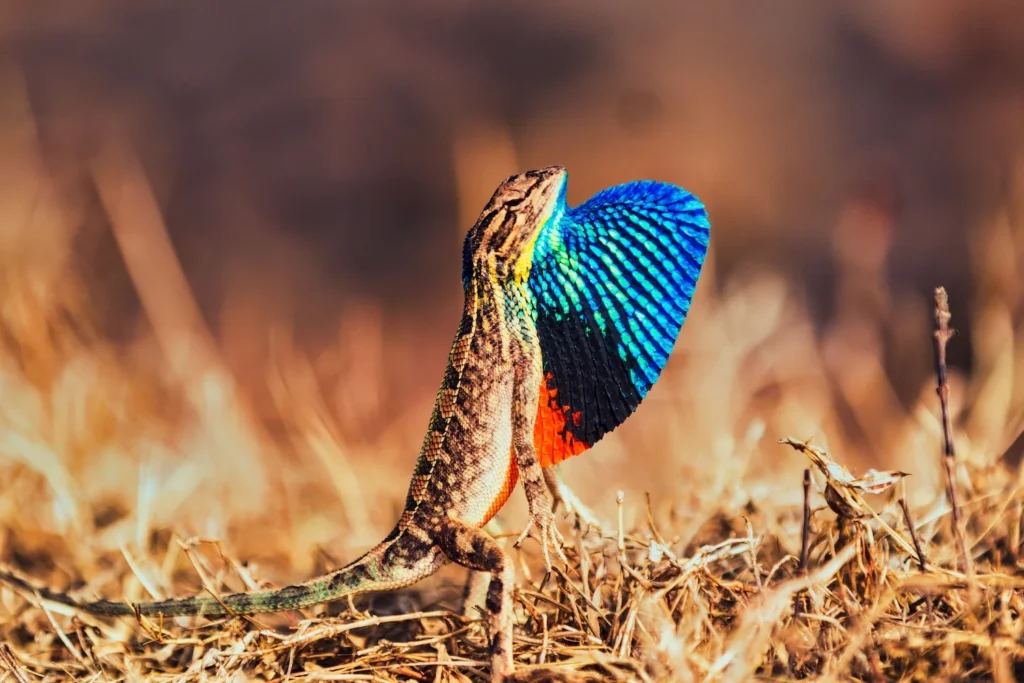
Male anoles often use colorful throat fans called dewlaps to communicate and defend territories.
Habitat
Different species occupy different levels of the rainforest, reducing competition for resources.
Adaptations of Amazon Rainforest Lizards
Amazon lizards possess numerous adaptations that help them survive.
Camouflage
Many species blend into their surroundings.
This helps them:
- Avoid predators
- Ambush prey
Climbing Ability
Tree-dwelling species have specialized feet and claws that aid climbing.
Swimming Skills
Several Amazon lizards are strong swimmers.
Aquatic abilities help them escape danger and locate food.
Tail Defense
Some lizards can detach their tails when threatened.
This distraction allows them to escape predators.
Sharp Vision
Excellent eyesight helps many species locate food and detect danger.
What Do Amazon Rainforest Lizards Eat?
Diet varies widely among species.
Common food sources include:
- Insects
- Spiders
- Worms
- Fruits
- Leaves
- Flowers
- Snails
- Small vertebrates
Some species are primarily herbivorous, while others are carnivorous or omnivorous.
This dietary diversity allows many species to coexist within the same ecosystem.
Predators of Amazon Lizards
Amazon rainforest lizards face numerous predators.
Common threats include:
- Snakes
- Birds of prey
- Jaguars
- Ocelots
- Large fish
- Crocodilians
Young lizards are particularly vulnerable.
To survive, many species rely on camouflage, speed, climbing ability, and defensive behaviors.
Reproduction and Life Cycle
Most Amazon lizards reproduce by laying eggs.
Nesting
Females often lay eggs in:
- Soil
- Leaf litter
- Sand
- Protected burrows
Incubation
Eggs develop naturally using environmental warmth.
Hatchlings
Young lizards are generally independent shortly after hatching.
They must quickly learn to find food and avoid predators in the challenging rainforest environment.
Daily Life of Amazon Rainforest Lizards
Amazon rainforest lizards spend much of their day searching for food, avoiding predators, and finding suitable places to rest.
Most species are active during the daytime when temperatures are warm enough for movement and hunting. Others become active at night when conditions are cooler and certain prey species are easier to find.
Their daily routine often depends on:
- Temperature
- Food availability
- Habitat type
- Predator activity
Because the Amazon remains warm throughout the year, many lizards can stay active in every season.
Where Amazon Lizards Live
One reason so many lizard species exist in the Amazon is the variety of habitats available.
In the Trees
Many species spend nearly their entire lives in trees.
These lizards climb branches, search for insects, and use leaves for protection from predators.
Tree-dwelling lizards benefit from:
- Better access to food
- Reduced competition
- Protection from ground predators
On the Forest Floor
Other species prefer the forest floor.
They move through:
- Leaf litter
- Fallen logs
- Dense vegetation
These areas provide shelter and a constant supply of insects and other small prey.
Near Water
Several Amazon lizards live close to rivers, lakes, and wetlands.
These environments provide:
- Drinking water
- Food sources
- Escape routes from predators
Species such as the caiman lizard are especially dependent on aquatic habitats.
How Amazon Lizards Stay Safe
The Amazon Rainforest contains many predators, so lizards have developed several ways to protect themselves.
Blending Into Their Surroundings
Camouflage is one of the most effective defenses.
Many lizards have colors that match:
- Tree bark
- Leaves
- Soil
- Rocks
This makes them difficult for predators to spot.
Escaping Quickly
Many species rely on speed.
When danger approaches, they can run, climb, or dive into water within seconds.
Losing Their Tail
Some smaller species can shed their tail if captured.
The detached tail continues moving, distracting the predator while the lizard escapes.
Staying Still
Sometimes the best defense is not moving at all.
Many Amazon lizards remain perfectly still when they sense danger nearby.
What Amazon Lizards Eat
Food choices vary depending on the species.
Insect-Eating Lizards
Many Amazon lizards primarily eat:
- Beetles
- Ants
- Termites
- Grasshoppers
- Spiders
These species help control insect populations throughout the rainforest.
Plant-Eating Lizards
Some larger species, including green iguanas, eat:
- Leaves
- Fruits
- Flowers
- Plant shoots
Their diet helps connect them to the rainforest’s plant communities.
Omnivorous Lizards
Certain species consume both plants and animals.
This flexibility helps them survive when specific food sources become scarce.
How Lizards Help the Rainforest
Lizards may not receive as much attention as parrots or monkeys, but they play an important role in the ecosystem.
Controlling Insects
Many species consume large numbers of insects every day.
This helps prevent insect populations from growing too large.
Supporting the Food Chain
Lizards serve as food for numerous rainforest predators.
Without lizards, many larger animals would lose an important food source.
Helping Plant Growth
Some fruit-eating lizards help disperse seeds throughout the forest.
This contributes to forest regeneration and plant diversity.
How Amazon Lizards Communicate
Although lizards do not communicate like birds, they still use various signals.
Body Movements
Many species communicate through:
- Head bobbing
- Tail movements
- Posture changes
These displays can warn rivals or attract mates.
Color Changes
Some lizards can slightly change color.
This may help with:
- Camouflage
- Territorial displays
- Social communication
Scent Signals
Certain species leave scent markers that help establish territories and identify individuals.
Breeding and Raising Young
Most Amazon rainforest lizards reproduce by laying eggs.
Finding a Mate
During breeding periods, males may compete for access to females.
They often display:
- Bright colors
- Territorial behavior
- Physical displays
Egg Laying
Females typically lay eggs in protected locations such as:
- Soft soil
- Leaf litter
- Burrows
- Sandy areas
Hatching
The warmth and humidity of the rainforest help incubate the eggs naturally.
Once hatched, young lizards are generally independent and receive little or no parental care.
Challenges Amazon Lizards Face
Although these reptiles are highly adaptable, they still face several threats.
Habitat Loss
Deforestation remains one of the biggest dangers.
When forests are cleared, lizards lose:
- Shelter
- Food sources
- Nesting areas
Climate Change
Changes in rainfall and temperature can affect the habitats that lizards depend on.
Pollution
Pollution of rivers and forests can harm both lizards and their prey.
Illegal Wildlife Trade
Some species are captured for the exotic pet trade, which can reduce wild populations.
Conservation Efforts
Many organizations are working to protect the Amazon Rainforest and its wildlife.
Important conservation activities include:
- Protecting rainforest habitats
- Creating nature reserves
- Supporting scientific research
- Preventing illegal wildlife trade
- Promoting sustainable land use
These efforts help safeguard countless species, including Amazon rainforest lizards.
Amazing Facts About Amazon Rainforest Lizards
Amazon lizards have many fascinating characteristics.
Some Can Grow Very Large
Green iguanas can reach lengths of more than six feet when including their tails.
Some Spend Most of Their Lives in Trees
Many species rarely descend to the forest floor.
Some Are Excellent Swimmers
Caiman lizards and iguanas can move efficiently through water.
Some Can Run Across Water
Certain basilisk species can sprint across the surface of water for short distances.
Some Can Regrow Their Tails
Many smaller species can regenerate a lost tail over time.
They Have Existed for Millions of Years
Lizards are ancient reptiles that have successfully adapted to changing environments for millions of years.
Seeing Amazon Lizards in the Wild
The Amazon Rainforest offers excellent opportunities to observe lizards in their natural habitats.
Visitors may encounter lizards:
- Along jungle trails
- Near rivers
- In forest clearings
- On tree trunks
- Around wetland areas
Because many species rely on camouflage, careful observation is often required.
Early morning and late afternoon are often the best times to spot active lizards.
Why Amazon Lizards Matter
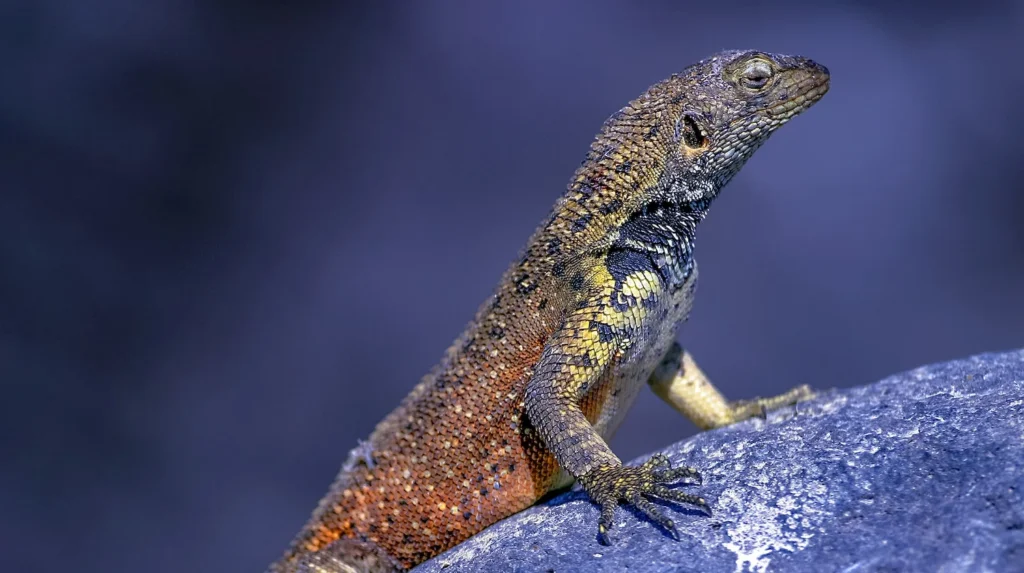
Amazon rainforest lizards are an important part of one of the world’s most valuable ecosystems.
They help maintain ecological balance through:
- Insect control
- Seed dispersal
- Predator-prey relationships
Their presence contributes to the incredible biodiversity that makes the Amazon Rainforest unique.
Protecting these reptiles also helps protect the many other species that share their habitats.
What We Can Learn From Amazon Lizards
The success of Amazon rainforest lizards demonstrates the power of adaptation.
Different species have evolved specialized traits that allow them to survive in:
- Trees
- Rivers
- Wetlands
- Forest floors
Their diversity shows how wildlife can occupy different ecological roles within the same environment.
Studying these reptiles helps scientists better understand rainforest ecosystems and the importance of biodiversity.
FAQs About Amazon Rainforest Lizards
How many species of lizards live in the Amazon Rainforest?
Scientists have identified hundreds of lizard species throughout the Amazon Basin, with new species occasionally being discovered.
What is the largest lizard found in the Amazon Rainforest?
The green iguana is one of the largest and most recognizable lizards in the Amazon, often reaching impressive lengths including its tail.
Are Amazon rainforest lizards dangerous to humans?
Most Amazon lizards are harmless and prefer to avoid human contact. They are generally not aggressive unless threatened.
Do Amazon lizards live only in trees?
No. Some species live in trees, while others inhabit the forest floor, wetlands, riverbanks, and rocky areas.
Can Amazon rainforest lizards swim?
Yes. Several species, including green iguanas and caiman lizards, are excellent swimmers.
What is the most colorful lizard in the Amazon Rainforest?
Many people consider the caiman lizard one of the most colorful Amazon reptiles because of its bright green body and distinctive markings.
How do Amazon lizards survive during heavy rain?
They seek shelter in vegetation, tree cavities, burrows, or other protected areas until conditions improve.
Do Amazon rainforest lizards hibernate?
No. Because the Amazon remains warm throughout the year, most lizards stay active year-round.
What predators hunt Amazon rainforest lizards?
Predators include snakes, birds of prey, large mammals, crocodilians, and other reptiles.
Why are Amazon rainforest lizards important to scientists?
They help researchers understand evolution, adaptation, biodiversity, ecosystem health, and the effects of environmental change on wildlife.
Conclusion
Amazon rainforest lizards are among the most diverse and fascinating reptiles found in the world’s largest tropical rainforest. From giant green iguanas and powerful caiman lizards to agile geckos and colorful anoles, these reptiles occupy nearly every corner of the Amazon ecosystem.
Their ability to adapt to different habitats, diets, and environmental conditions has allowed them to thrive for millions of years. They play important ecological roles by controlling insect populations, supporting food webs, and contributing to the overall health of rainforest habitats.
Despite facing challenges such as habitat loss, climate change, and human activity, many conservation efforts are helping protect these remarkable reptiles and the forests they depend on.
As symbols of the Amazon’s incredible biodiversity, rainforest lizards remind us of the importance of preserving one of Earth’s most valuable natural treasures for future generations.