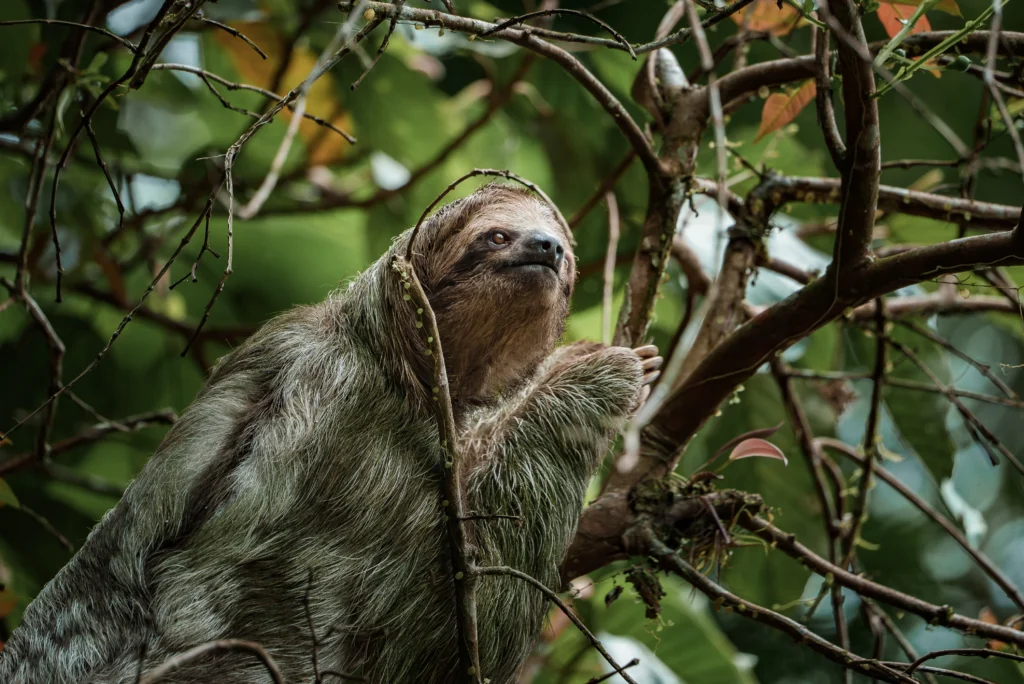
The Amazon Rainforest is often described as the lungs of our planet, a vibrant and pulsing ecosystem that houses a staggering 10% of the world’s known biodiversity. Among its most iconic and beloved residents is the sloth—a creature of remarkable evolutionary adaptation and serene mystery. However, as the modern world edges closer to these emerald cathedrals, the survival of the sloth is increasingly under threat.
At La Selva Eco-Lodge, our mission has always been to provide a bridge between luxury travel and profound environmental responsibility. This commitment to the Amazonian ecosystem has led us to form a strategic conservation partnership with Merazonia, an independent wildlife rescue and rehabilitation center. By providing targeted funding and resources, we support their professional efforts to protect, heal, and release these noble mammals back into the wild.
The Evolutionary Marvel: Understanding the Amazonian Sloth
To understand why conservation is so vital, one must first appreciate the unique biology of the sloth. Living in the high canopy of the Ecuadorian Amazon, sloths have developed a lifestyle perfectly synchronized with the rhythm of the forest.
- Low-Energy Adaptation: Contrary to popular belief, sloths aren’t “lazy”; they are energy-efficient. Their diet consists primarily of tough, fibrous leaves that provide very little caloric value. To survive, they have developed a slow metabolism and a specialized multi-compartment stomach that can take weeks to digest a single meal.
- The Arboreal Lifestyle: Sloths spend nearly 90% of their lives upside down. Their tendons and muscles are designed to hook onto branches without expending energy, allowing them to sleep, eat, and even give birth high above the ground.
- Camouflage and Symbiosis: A healthy sloth often hosts a miniature ecosystem in its fur, including specialized moths and green algae. This algae provides a perfect greenish tint, making the sloth nearly invisible to its primary aerial predator, the Harpy Eagle.
Despite these incredible adaptations, the sloth’s slow movement—which serves as its greatest defense in the trees—becomes its greatest liability on the ground.
The Modern Crisis: Why Sloths Need an Ally
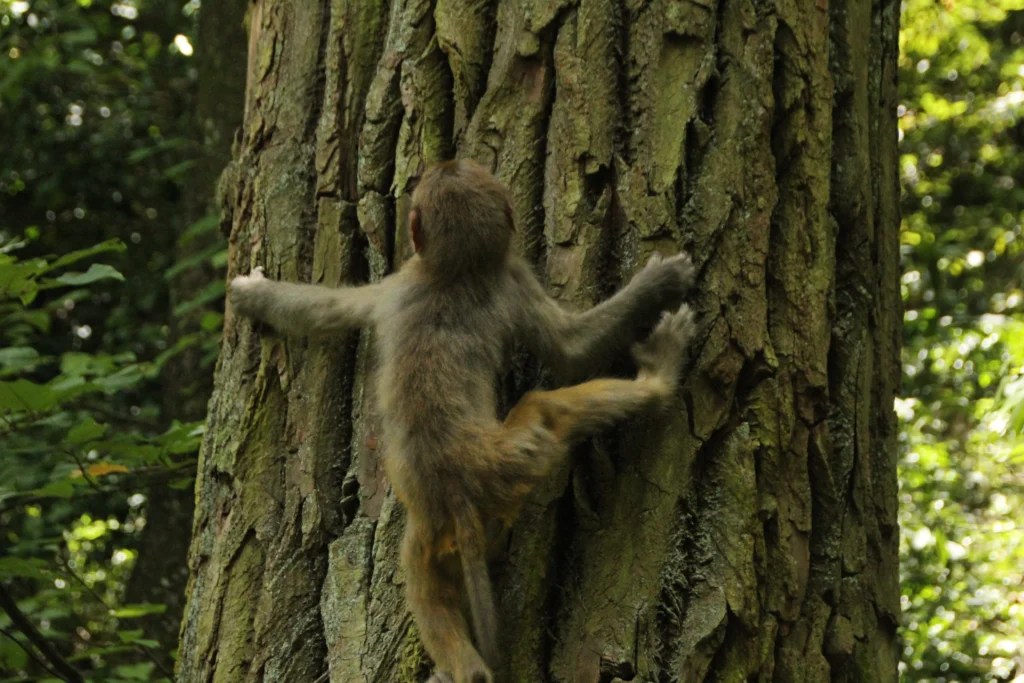
As human infrastructure expands through the Andean-Amazon corridor, the natural corridors that sloths have used for millennia are being fragmented. Merazonia, as an independent frontline organization, faces the daily reality of these human-wildlife conflicts.
The primary threats that necessitate Merazonia’s intervention include:
1. Habitat Fragmentation and Deforestation
When a patch of forest is cleared for agriculture or roads, sloths become “islands” in the canopy. To find food or mates, they are forced to descend to the ground—a place where they are clumsy and vulnerable to domestic dogs and vehicle strikes.
2. The Illegal Pet Trade
The “cuteness” of sloths has unfortunately made them a target for illegal wildlife trafficking. Young sloths are often snatched from their mothers to be sold as pets. These animals arrive at Merazonia severely malnourished, traumatized, and in urgent need of professional veterinary care.
3. Urban Hazards: Power Lines and Fences
In areas where the forest meets human settlements, sloths often mistake power lines for branches. Electrocution is a leading cause of severe injury, often resulting in limb loss or death.
The Path to Freedom: Merazonia’s Professional Rehabilitation Program
Rehabilitating a sloth is not merely about healing a wound; it is about restoring an animal’s ability to survive in one of the most competitive environments on Earth. Through our financial contributions, La Selva Eco-Lodge & Travel helps ensure that Merazonia has the specialized tools required for this delicate process.
Pillar I: Expert Veterinary Intervention
Upon arrival at the center, each sloth undergoes a rigorous medical screening. Merazonia’s veterinary team treats everything from complex fractures to internal parasites. Because sloths have a slow heart rate and a unique reaction to anesthesia, these procedures require high levels of expertise and specialized equipment.
Pillar II: The “Nursery” and Juvenile Care
Orphaned baby sloths are the most resource-intensive residents. In the wild, they cling to their mothers for up to a year, learning what to eat and how to move. At Merazonia, the staff takes on this role. A critical part of our funding goes toward fresh goat’s milk. This is the only viable substitute for a mother sloth’s milk, providing the necessary fats and proteins for a juvenile’s developing immune system. Without this specialized nutrition, the survival rate for orphans would be tragically low.
Pillar III: Soft Release and Tracking Technology
The ultimate goal is always release. However, an animal that has been in human care cannot simply be dropped into the forest. Merazonia utilizes a “soft release” process, where animals are placed in large enclosures within the reserve to acclimatize to the sights and sounds of the wild.
Before the final release, we provide the funds for:
- Microchips: For permanent identification.
- Radio Collars: These allow biologists to track the sloth’s movements in the canopy for months. This data is crucial—it tells the team if the sloth is finding food, moving correctly, and staying safe from predators.
A Shared Vision for a Sustainable Future
At La Selva Eco-Lodge & Retreat, we recognize that we are guests in this ancient forest. Our partnership with Merazonia is a cornerstone of our sustainability philosophy. We believe that luxury tourism must act as a shield for the environment, not a burden.
By funding independent experts like Merazonia, we ensure that conservation efforts are led by science and executed with the highest ethical standards. This transparency allows our guests to know that their stay contributes directly to the “Sloth Saviour” initiative—helping pay for the milk, the medicine, and the technology that keeps the Amazon’s heart beating.
FAQ: Deepening Your Knowledge of Sloth Conservation
How does La Selva Lodge specifically support Merazonia?
We provide targeted financial grants that Merazonia uses to purchase medical supplies, high-quality nutrition (like fresh goat’s milk), and tracking technology (radio collars). We act as a funding partner, while they provide the expert wildlife care.
Why can’t the rescued sloths be released immediately?
Sloths are highly sensitive to stress. An immediate release after an injury or trauma often leads to the animal being unable to defend itself or find food. The rehabilitation period at Merazonia ensures they are 100% physically and mentally prepared for the wild.
Can I volunteer with the sloths during my stay at La Selva?
To protect the animals from human habituation and disease, Merazonia maintains a professional-only contact policy. However, your stay at La Selva directly supports the salaries of the caregivers and the cost of the facility.
What should I do if I see a sloth on the ground?
In the wild, if you see a sloth on the ground, do not touch it. It may be moving between trees. However, if it appears injured or is near a road, notify a guide or local authorities immediately so they can contact professional rescue teams like Merazonia.