CHAPTER SIX

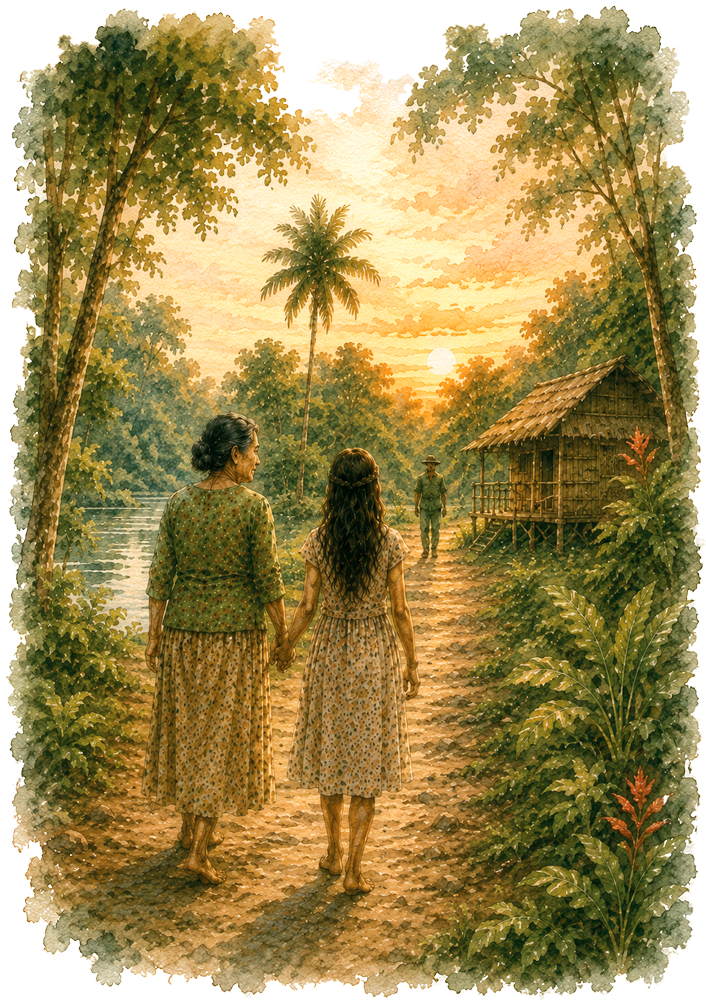
Isabel lives in one of the communities near the lodge. Her skin is weathered by the sun, and her gaze is bright with the joy of someone who has spent a lifetime working between water and earth. When she smiles, the wrinkles around her eyes fold in such a tender way that they soften whatever she happens to be doing.

Isabel had a very special affection for her grandmother; it was she who taught her to rise early for work and to stride purposefully through the forest, so as not to tire.

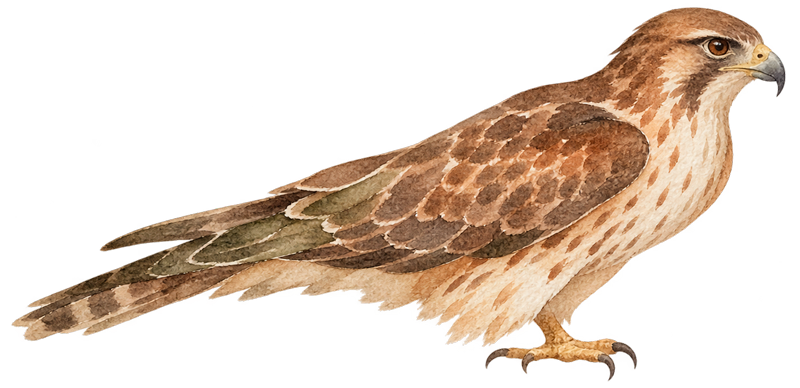
One day, when Isabel was just nine years old, her grandmother had a surprise waiting for her at home: a “hawk” — as Isabel called the prospective husband they had chosen for her — twenty years her senior.
After running away and then returning home, she had no choice but to marry.

For the wedding, her future husband went into the forest for two days and came back with a canoe full of food he had hunted himself, ready for the celebration.

The years passed, and that nine-year-old girl grew up along with the responsibilities of raising a family. Her husband worked far away, and it fell to her to maintain the household on her own.

But if Isabel was anything, she was brave. Her grandmother had made sure of that.

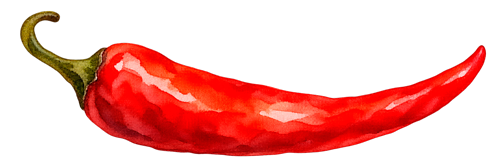
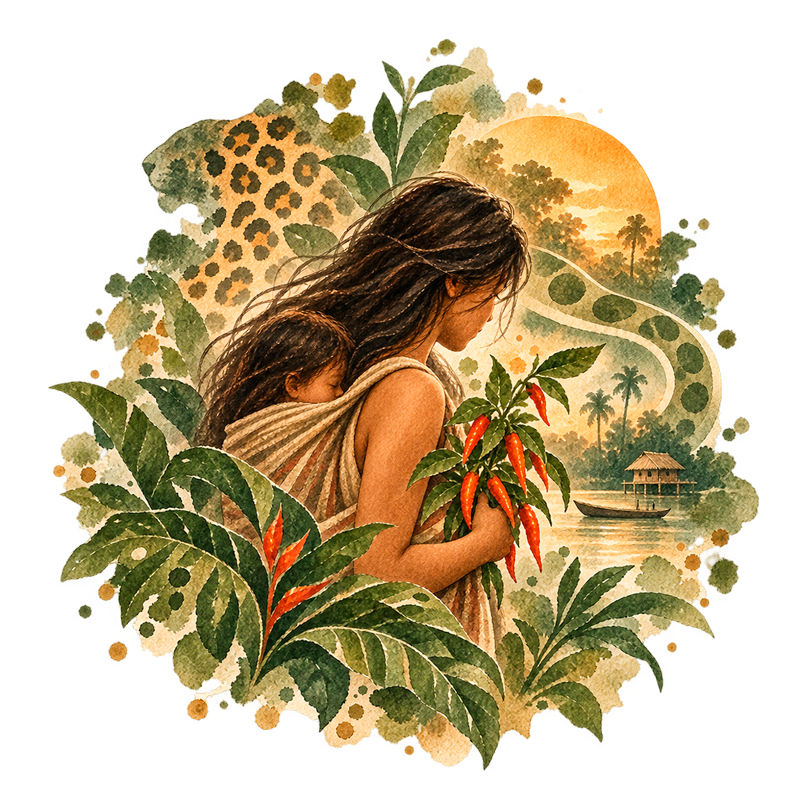
Every weekend, she would rub chilli into Isabel’s eyes, with the sole aim of making her strong, someone the jaguar and the anaconda would fear.

Whenever she needed to eat, she went hunting with her dogs, a chigra — a bag woven from palm fiber common among indigenous peoples — a machete, a spade, and a great hunger.

Her method was simple: she dug a hole in the ground to trap an animal — a tapir, an armadillo, an agouti. When the prey fell in, Isabel would make smoke and cover the trap, slowly suffocating it. That gave her enough food for a few days.

On her way back home, she would stop by her chacra forest garden to harvest some maize, plantain or cassava to accompany her kill. And so she survived, week after week, month after month.

One day, while walking towards the mountains with her dogs, suddenly, one of them started barking at the edge of the path. Isabel had come face-to-face with the famous jaguar.

There it was: muscular, solemn, with orange fur spattered with black, a massive head, and perfectly aligned whiskers. A magnificent sight, and at the same time a predator capable of devouring her.

Isabel and the jaguar stared straight at each other. And, thanks to the chilli her grandmother had rubbed into her eyes, she held her ground and did not flee.

“The chilli stays, ” Isabel says, “and that burns the jaguar’seyes too. ”

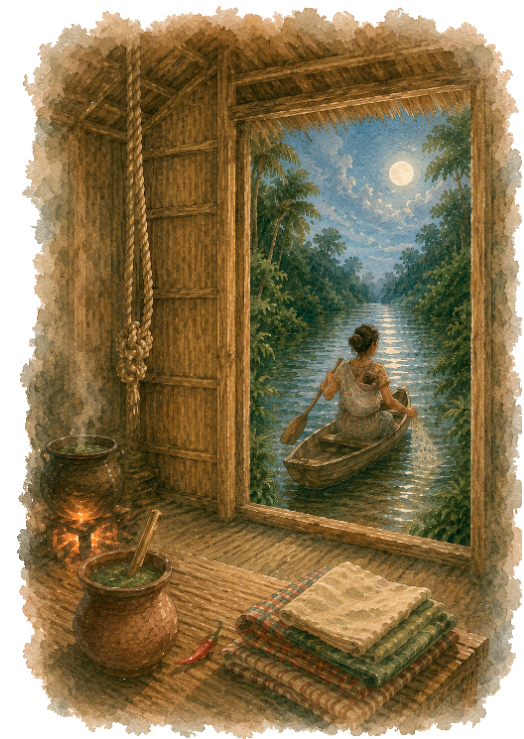
Isabel’s life was often one of solitude and endurance. She had to give birth to one of her nine children alone, holding on to a rope hanging from the ceiling so she could use her arms for leverage and let the baby drop.

As there was no midwife to catch the child, she cut the umbilical cord herself after sharpening a stick.

The birth ended with a bath for them both, and she wrapped the baby in a cloth.

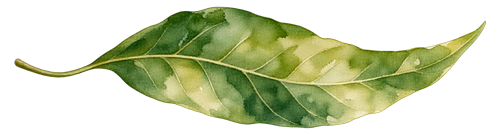
Isabel drank a little guayusa water to regain her strength and ease the pain, and immediately set off to fish, at night.

She went alone into the darkness of the river. With one hand she cast the net and with the other she paddled the canoe, hauling in all kinds of fish: small sardine-like fish, bocachicos, large and small. She managed to fill the canoe, and thus feed her family.

Sometimes she slept on the riverbank, trusting that the guayusa she had drunk since childhood would protect her from anacondas. It is said the serpent senses the leaf’s energy and retreats.

Besides the power of the plant, Isabel had another form of protection: the jays — noisy black birds that scream whenever they see a predator, be it a boa or a jaguar. Their shrieks warned her of any danger.experts at navigating by night, but back then, when the canoes ran